
Are Victoria’s systems delivering the results Victorians deserve?
Twelve years is a long time in government. Long enough to move beyond promises, announcements and political slogans and examine what has actually been delivered. Since Labor came to office in December 2014, Victoria has undergone enormous change. Government spending has increased, public debt has climbed, new taxes and levies have been introduced, and billions have been invested in infrastructure and public services. Some investments have delivered genuine benefits. Others have been accompanied by cost overruns, delays, deteriorating services and questions about accountability. These outcomes are not just figures in a government Budget. They affect the cost of running a household or business, access to healthcare, housing affordability, the reliability of essential services and the opportunities available to future generations.
As Victoria approaches the November 2026 state election, Stand Up Now Australia is examining ten major areas of government performance, using official financial records, independent audits and publicly available evidence.
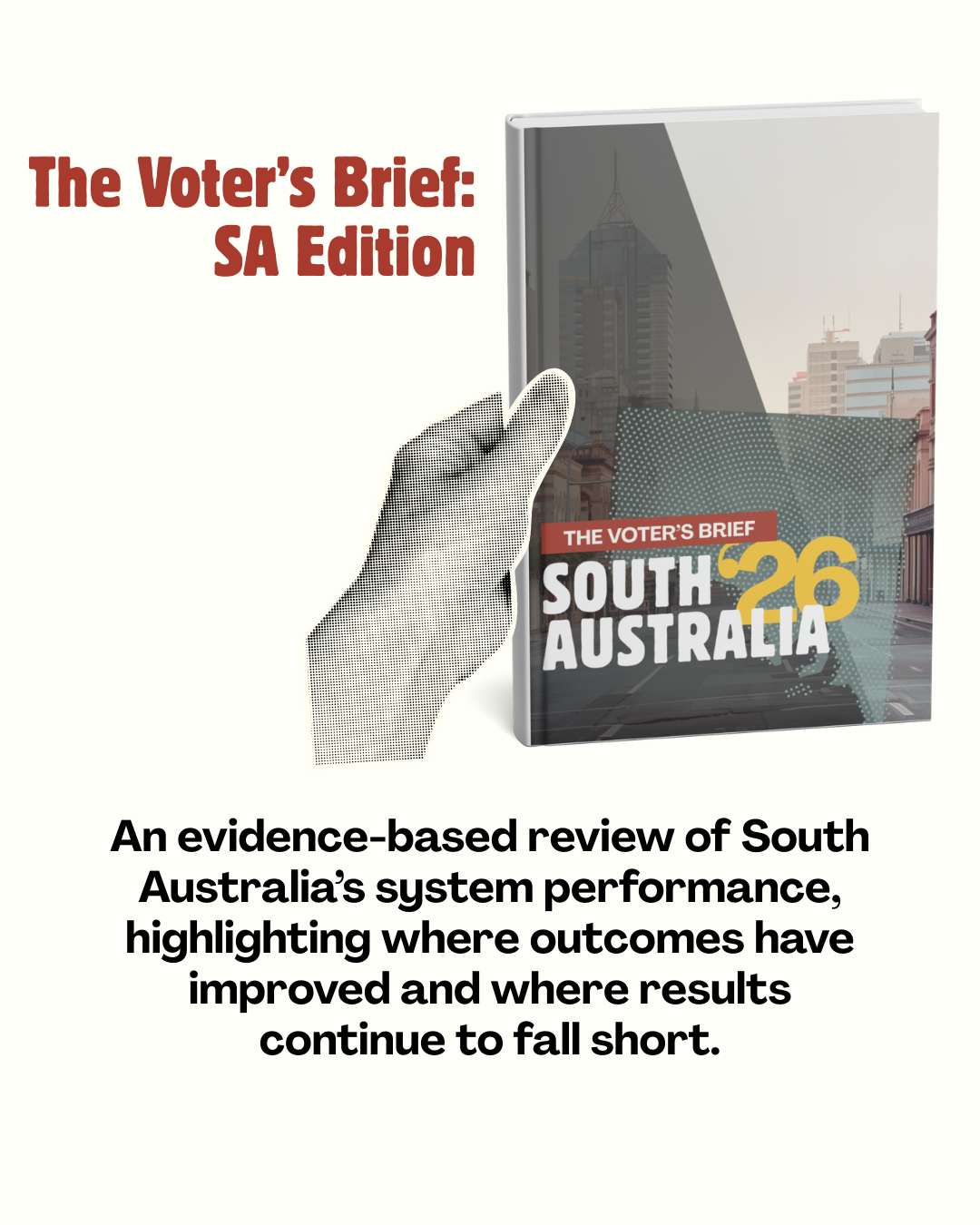
The Full Story Behind Twelve Years of Government
Victoria has changed enormously since 2014. But how much has government collected, how much has it borrowed, and what have Victorians actually received in return?
Our new book examines ten major issues facing Victoria ahead of the 2026 state election — from debt, taxation and housing to healthcare, infrastructure, education and government accountability.
Drawing on government financial records, independent audits and official statistics, it looks beyond political promises to examine the decisions made, the money spent and the results delivered.
Explore the full investigation and judge the record for yourself.
How Victoria’s Systems Are Performing








1. Victoria’s Finances
The $144 Billion Question
Victoria's net debt has risen from $21.2 billion in 2014 to a revised estimate of $165.3 billion in 2026. Infrastructure and COVID spending explain some of the increase, but not all of it. With interest costs climbing, what did Victorians receive for the borrowing?
2. Taxes, Charges & Doing Business
Paying More. Getting What?
State taxation revenue rose from approximately $17 billion in 2013–14 to $39.6 billion in 2024–25. Population growth and inflation explain part of the increase, but new and expanded taxes have also changed the burden. Has the extra revenue delivered better services and a stronger economy?
3. Housing & Population Growth
More People. Not Enough Homes.
Victoria gained approximately 1.31 million residents between 2014 and March 2026. Housing supply has struggled to keep pace, social-housing demand remains high, and major government housing projects have faced delays. Has Victoria planned adequately for its growth?
4. Energy, Prices, Supply & Transition
Can Victoria Keep the Lights On — Affordably?
Renewable electricity reached 44.6% in 2025, with a 65% target for 2030. But coal retirements, declining gas production and delayed transmission projects present major challenges. Can Victoria deliver an affordable, reliable energy system through the transition?
5. Infrastructure & Transport
The Price of the Big Build
Victoria has built major new transport infrastructure, but costs and priorities deserve scrutiny. The Auditor-General identified $11.31 billion in net cumulative project-budget increases across 89 comparable projects, while 48% of state roads were in poor or very poor condition in 2024. Was the money well spent?
6. Health & Ambulance Services
More Spending. Still Waiting.
Despite substantial healthcare investment, ambulance delays and emergency department congestion remain concerns. The Auditor-General found eight of ten selected timely-care measures repeatedly missed targets over five years. Planned-surgery numbers have improved, but can Victorians get treatment when they need it?
7. Crime, Policing & Community Safety
Is Victoria Getting Safer?
Crime, youth offending, bail laws and policing are central to community confidence. What do the official statistics reveal about changing crime patterns, and have government policies delivered measurable improvements in public safety?
8. Education
The Education State: Making the Grade?
Victoria recorded strong NAPLAN results in 2025, yet teacher workloads, curriculum changes, student engagement and rising homeschooling registrations raise wider questions. After twelve years of education reform, are Victorian children better prepared for their futures?
9. Regional Victoria & Agriculture
Is Regional Victoria Being Left Behind?
Regional communities support vital agricultural industries, freight and food production. Yet deteriorating roads, healthcare access and rising operating costs remain serious challenges. Are government priorities delivering the infrastructure and services regional Victorians need?
10. Government Size, Public Sector & Unions
Bigger Government. Better Results?
Victoria's public sector and government spending have expanded substantially. Independent oversight has raised concerns about politicisation, transparency and major-project governance. A Royal Commission is also examining construction integrity allegations. Has a bigger government delivered greater efficiency and accountability?
You've Seen the Issues. Now Read the Full Investigation.
The ten issues above are only the beginning.
Behind each one are twelve years of government decisions, billions of dollars in public expenditure, policy changes, independent findings and consequences that will extend well beyond the next election.
Our book brings that record together in one place.
It examines where Victoria stood in 2014, what changed, what it cost and what the evidence reveals about the results.
Before Victorians head to the polls on 28 November 2026, the full record deserves to be examined.
Read the evidence. Ask the questions. Make up your own mind.
FAQs
Why examine twelve years of Labor government?
Labor has governed Victoria continuously since December 2014. Twelve years is long enough to judge more than promises. Our review examines what was spent, what was delivered, what improved and what problems remain.
Wasn't most of Victoria's debt caused by COVID?
COVID contributed substantially, but debt was increasing before the pandemic and continued rising afterwards. Major infrastructure spending, operating deficits and government policy decisions also shaped Victoria's financial position. COVID is part of the explanation, not the whole story.
Why is housing still under pressure?
Victoria gained approximately 1.31 million residents between 2014 and March 2026. Housing construction, infrastructure and social-housing supply have struggled to meet growing demand. Planning, construction costs, population growth and investment conditions all matter — including decisions made by the Victorian Government.
Has healthcare improved under Labor?
Victoria has invested heavily in hospitals and healthcare, with improvements in planned-surgery activity. However, ambulance handover delays, emergency department congestion and missed performance targets remain concerns. The test is whether patients receive timely care, not simply how much government spends.
Is the Victorian Government responsible for every problem?
No. Commonwealth policies, COVID, inflation, population growth and wider economic conditions have influenced Victoria's outcomes. But the State Government remains accountable for decisions within its control — including planning, public hospitals, schools, policing, state infrastructure and taxation.
When is the Victorian State Election?
Victorians vote on Saturday 28 November 2026. The election will determine the next Victorian Parliament and which party or coalition forms government.
For enrolment, voting centres and official election information, visit the Victorian Electoral Commission.
How much has Victoria's debt increased?
Victoria's general government net debt rose from $21.2 billion in 2014 to a revised estimate of $165.3 billion in June 2026 — an increase of approximately $144 billion. The Government forecasts further borrowing, with rising interest costs placing additional pressure on future budgets.
Didn't the Big Build deliver important infrastructure?
Yes. Victoria has gained new rail connections, roads and major transport assets. But useful infrastructure does not automatically mean value for money. Independent audits have identified cost increases, delays and transparency concerns. The question is whether taxpayers received sufficient value for what was committed.
Is Victoria's energy transition delivering results?
Renewable generation has increased significantly, and Victoria achieved its 2020 and 2025 renewable targets. But the transition must also deliver affordable, reliable electricity. Coal retirements, declining gas production and the timing of replacement infrastructure remain important challenges.
Are you saying Labor has achieved nothing?
No. Victoria has delivered substantial infrastructure, expanded public services and achieved improvements in some areas. Our review recognises those results while examining failures, costs and unintended consequences. The purpose is to assess the complete record, not assume every government decision was wrong.
Where does your information come from?
All information summarised here is drawn from:
Our investigation draws on Victorian Budget Papers, Auditor-General reports, ABS statistics, parliamentary records and other official sources. We distinguish audited results from forecasts, government claims from independent findings, and allegations from established facts.
Where can I read the full investigation?
Our book examines all ten issues in greater depth, tracing twelve years of government decisions, public expenditure and measurable outcomes. It brings the evidence together so Victorians can examine the record and reach their own conclusions.